Uncategorized

- 24 Sep, 2026
- 16 Views
- 0 Comment
The 2026 Yemen Humanitarian Needs and Response Plan (HNRP) estimates that 22.3 million people require humanitarian assistance and protection services this year. This includes approximately 5.2 million internally displaced people (IDPs), 329,000 migrants, and 63,000 refugees and asylum-seekers. The crisis is compounded by severe food insecurity: approximately 18.3 million people are acutely food insecure.
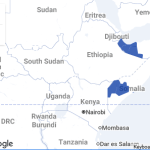
The operating environment has deteriorated further in September 2026. Renewed fighting and territorial advances along the Red Sea coast have produced a rapid new displacement wave. IOM reported more than 76,000 people displaced since the renewed escalation, while UNHCR subsequently reported that the number had exceeded 100,000. Thousands have also crossed the Gulf of Aden toward Djibouti.
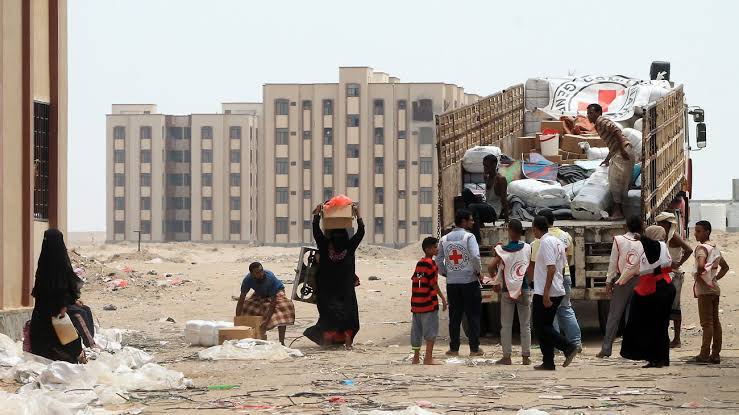
This new displacement is concentrated particularly around Hodeidah and Taiz and the western coastal areas, with people moving toward relatively safer areas, including Aden and other southern locations. Humanitarian access is being affected by insecurity, damaged infrastructure, road disruptions and restrictions on movement.
Displacement outlook / projections:
There is an important caveat: there does not appear to be a credible UN projection giving a precise number of additional IDPs for the remainder of 2026. The most defensible approach is therefore to distinguish between the existing planning figure and scenario-based displacement risk.
Indicator 2026 position:
People requiring humanitarian assistance/protection= 22.3 million
Existing/planning baseline IDPs= 5.2 million
Migrants in Yemen= 329,000
Refugees & asylum-seekers= 63,000
Acutely food insecure= 18.3 million
New displacement from recent escalation= 100,000+ reported by 15 Sept.
New cross-border movement to Djibouti Thousands; >2,000 reported in recent reporting
The 100,000+ recent displacement should not simply be added to 5.2 million as an official new national IDP total, because the figures come from different measurement periods and methodologies. However, it clearly indicates that the existing 5.2 million baseline is under pressure.
What could drive further displacement?
The main factors to monitor through the remainder of 2026 are:
- Continued fighting along the Red Sea coast .
If the current offensive and counter-offensive activity continues, additional displacement from coastal communities is likely to remain a major humanitarian concern. Current reporting indicates that more than 100,000 people have already been displaced during the recent escalation. - Secondary displacement.
Yemen already has a very large protracted IDP population. Newly displaced families may move into areas already hosting displaced populations, creating pressure on shelter, food, water, health and livelihoods. UNHCR describes the situation as a protracted crisis driven by conflict, economic collapse, climate shocks and deteriorating public services. - Cross-border movement toward Djibouti and the Horn of Africa.
The latest escalation is already producing movement across the Gulf of Aden. More than 2,000 Yemenis had reportedly reached Djibouti by 15 September, while IOM indicated that fuel shortages were temporarily constraining further maritime departures. - Food insecurity and economic deterioration.
With 18.3 million people already facing acute food insecurity, deterioration in household purchasing power and access to basic services can contribute to secondary displacement and onward migration even where active fighting is absent. - Climate-related displacement.
Flooding and other climate shocks remain an additional displacement driver. IOM’s 2026 Yemen response planning specifically incorporates climate and disaster-related displacement alongside conflict-induced displacement.
Regional significance for Somalia/Somaliland:
For Somalia, Somaliland and the wider Horn of Africa, the most important implication is the potential strengthening of the Yemen–Djibouti–Somalia migration and displacement nexus.
A deterioration in Yemen could result in increased:
-Yemeni arrivals in Djibouti and potentially Somalia/Somaliland;
-movements of Somali and Ethiopian migrants/refugees through Yemen;
-maritime crossings across the Gulf of Aden;
-demand for registration, reception, shelter and protection services in the Horn;
-trafficking, smuggling and exploitation risks;
-family separation and unaccompanied/separated children;
-onward movements toward Saudi Arabia and other Gulf destinations; and
-pressure on already limited humanitarian and government response capacity